School Anxiety & Avoidance
When getting to school becomes the hardest part of the day
Specialized online support for children and teens experiencing school avoidance, anxiety, physical symptoms, emotional shutdowns, or escalating attendance problems.
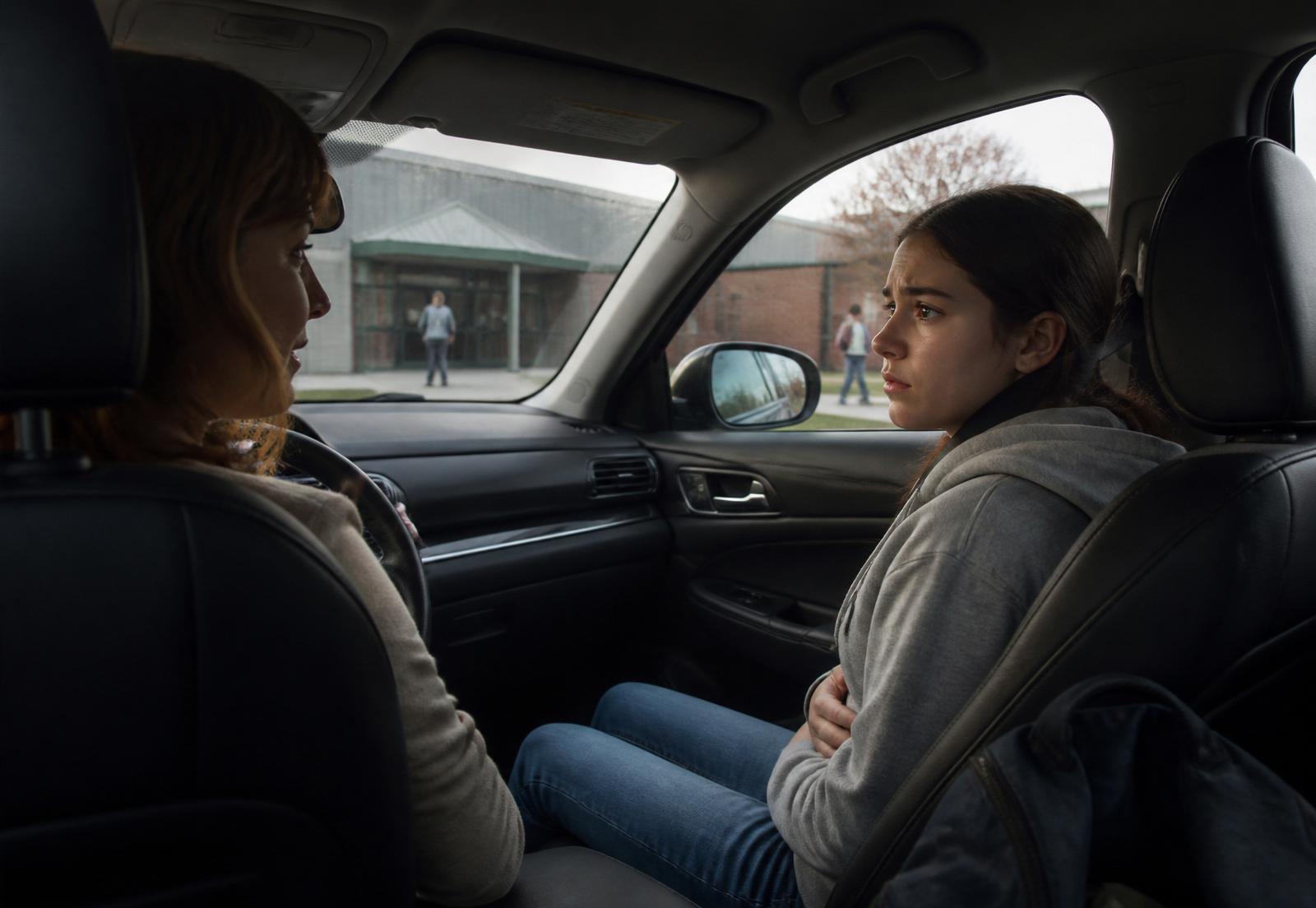
Recognition
Your child may be struggling even when other people cannot see it.
Some children look calm, polite, capable, or academically successful at school, then melt down as soon as they get home. Others develop stomachaches, headaches, nausea, panic, exhaustion, irritability, or increasingly elaborate ways to avoid school.
Good grades do not always mean a child is doing well.
The real question is not only whether a child can complete the work. It is how much emotional and physical effort it takes them to get through the day.
These patterns are not simply bad behavior. They are information.
You may be noticing…
- School-morning battles
- Frequent physical complaints
- Sunday-night anxiety
- Missed school or repeated requests to leave
- Homework taking far longer than expected
- Emotional collapse after school
- Perfectionism or fear of making mistakes
- Reassurance-seeking
- Panic, shutdowns, or angry outbursts
- Behavior that looks defiant but may reflect overwhelm
Featured
The school says they’re fine. At home, you are seeing something completely different.
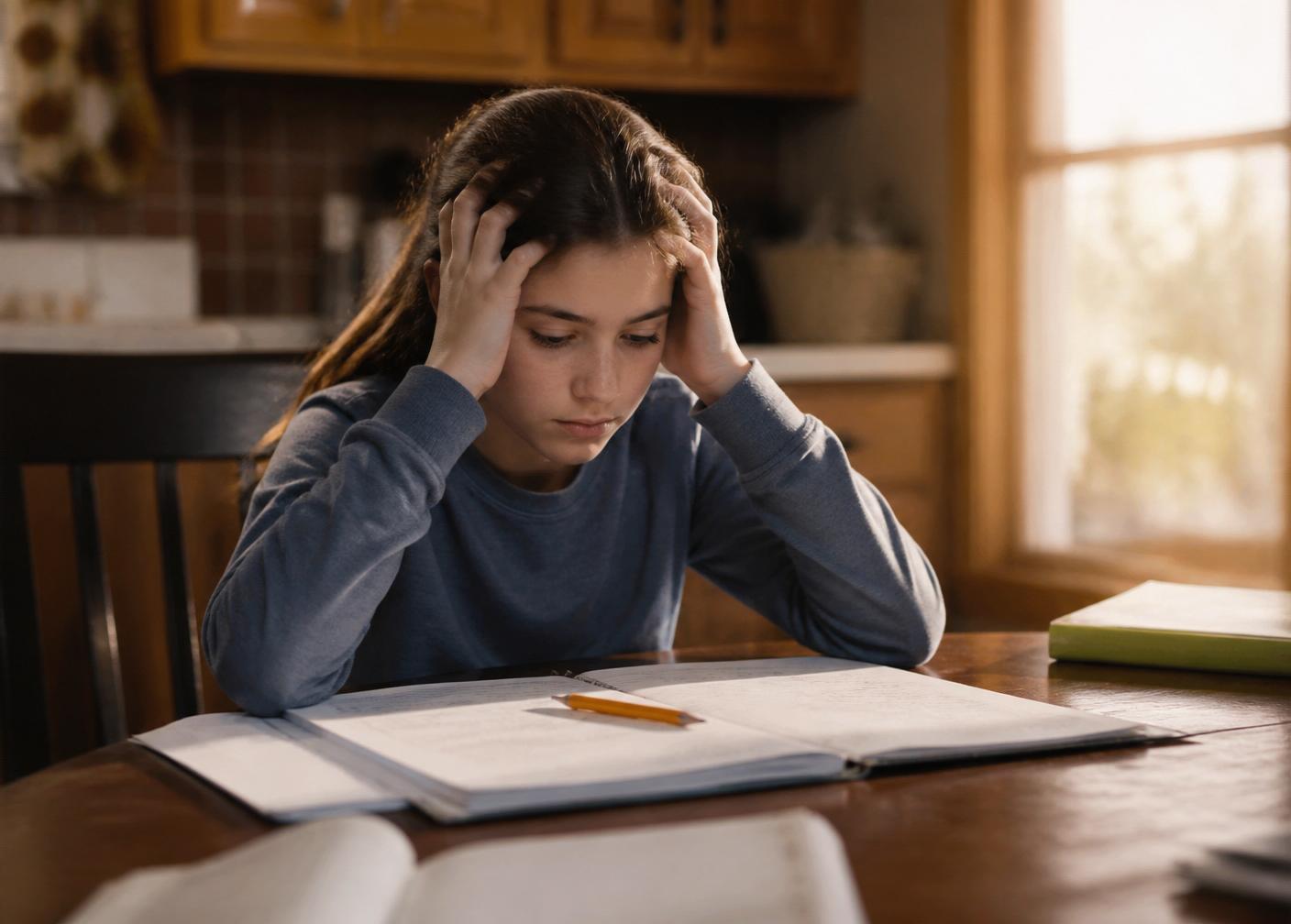
A child can hold it together during the school day and still be struggling significantly. Dr. O’Brien helps families understand what the child’s behavior, physical symptoms, and emotional exhaustion may be communicating.
Captions and a written transcript are available.
What school avoidance can look like
School avoidance rarely looks the same in every child. Some resist getting out of bed. Others make it to the car and freeze. Some attend but repeatedly ask to visit the nurse. Others hold it together all day and unravel the moment they walk in the door.
Physical symptoms are often part of the picture
Nausea, headaches, stomachaches, fatigue, dizziness, or pain can all show up as the body’s way of expressing distress. These symptoms are real, even when they intensify around school and ease on weekends or breaks.
The child who appears fine at school but falls apart at home
For many children, school is a place they work hard to hold themselves together. What arrives home is the cost of that effort — irritability, exhaustion, tears, or shutdown. This pattern is easy to misread as behavior. It is more often depletion.
Homework, perfectionism, panic, reassurance, and executive-function problems
Schoolwork can become a battlefield when a child is anxious, overwhelmed, or struggling to plan and organize. Repeated reassurance-seeking, perfectionism, and panic are common threads that quietly amplify the day’s pressure.
Why short-term relief can strengthen long-term avoidance
Letting a child skip a hard moment often feels compassionate — and sometimes it is. But when avoidance becomes the primary strategy, a child’s world can slowly narrow. Treatment focuses on rebuilding a sense of capability alongside meaningful support.
The role of parents
Parents are not the cause of school avoidance, and they are essential to recovery. Care with Dr. O’Brien includes practical guidance for the moments that feel hardest at home: mornings, transitions, homework, and after-school unraveling.
The role of school accommodations
Accommodations can be powerful when they help a child access school more successfully. They can also, unintentionally, remove every opportunity to build confidence. The goal is balance: reducing genuine barriers while keeping meaningful participation within reach.
504 plans and appropriate support
Dr. O’Brien can help families understand what a child’s psychological needs may look like inside a school setting and consider whether current supports are helping the child participate. She does not provide legal advice or act as a legal educational advocate.
How psychological treatment can help
Treatment combines skill-building, gradual practice, parent coaching, and — when appropriate — coordination with the school. Progress is measured not only by attendance but by the child’s growing ability to face difficult moments.
What to expect from working with Dr. O’Brien
The initial consultation focuses on understanding the child, the family, and the current pattern. From there, Dr. O’Brien and the family build an individualized plan grounded in what will realistically help this child move forward.
“A thoughtful accommodation helps a child access school and participate more successfully. It should not automatically remove every situation that produces anxiety.”
A 504 plan may reduce barriers. It does not, by itself, treat the anxiety underneath them.